Seasonal shopping periods are a major sales opportunity for all e-commerce businesses. Brands need to know which products to promote, when to give discounts, how to protect profitability, and also how much to reduce prices. A discount pricing strategy, if well planned, can have a lot of advantages for businesses. A Shopify discount app can simplify the execution of promotions, as there is no need to manually manage each discount.
Adobe reported that U.S. consumers spent a record $257.8 billion online during the 2025 holiday season alone. Increased spend means increased competition. So, how can e-commerce brands build seasonal promotions that drive sales and also do not give away margin?
What Is Seasonal Pricing?
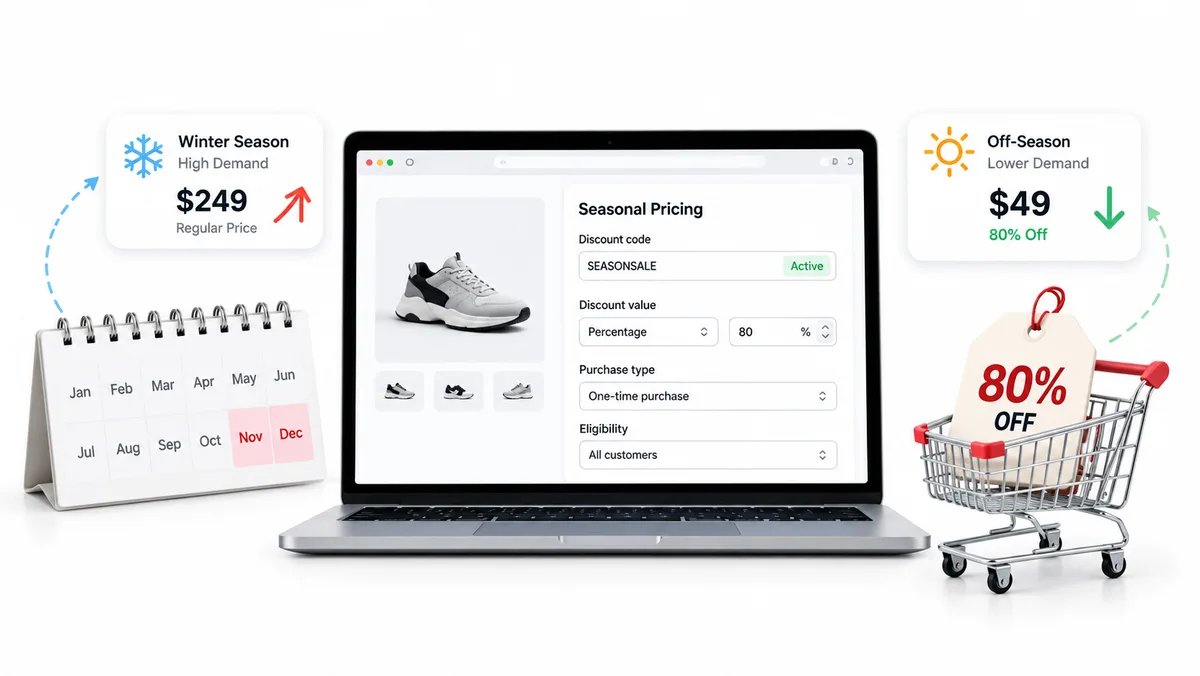
Seasonal pricing is the practice of adjusting product prices as per the predictable changes in demand throughout the year.
With the changes in seasons, weather, holidays, and events, product demand naturally changes. When the demand is stable, a retailer may charge regular prices. When demand steadily increases, prices can go higher, and when demand decreases, prices can go down as well.
For example, the demand for winter coats can be high during November and December. It can be lower during February. Note that seasonal pricing is broader than seasonal discounting. Seasonal discounting is a tactic that retailers use within seasonal pricing. It is when prices are temporarily reduced, or certain incentives are provided to encourage purchases. Now you have the answer to “what is seasonal pricing?”.
What are the Types of Seasonal Discounts?
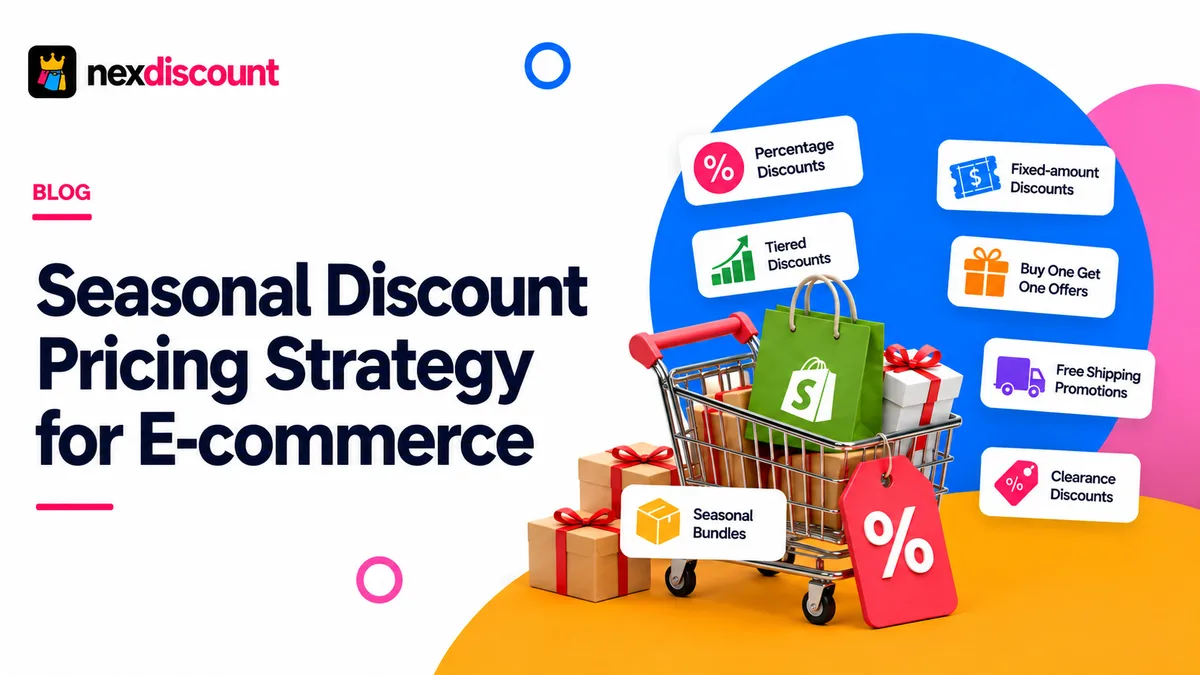
There are several types of seasonal discounts that e-commerce businesses can put into use. The right option is based on the product, margin, inventory position, and campaign objective.
Percentage Discounts
Easy and straightforward offers like 10% off, 20% off, and so on. They are most used during Black Friday and end-of-season sales.
Fixed-amount Discounts
$10 off orders above $75, or $25 off on orders above $150. This encourages customers to increase the basket value to be eligible for the promotion.
Tiered Discounts
- Spend $50: 10% off
- Spend $100: 15% off
- Spend $150: 20% off
Tiered offers reward customers as spending increases. It can increase the average order value. Customers also have a clear reason to add more items to their cart.
Buy One Get One Offers
- Buy One, Get One Free
- Buy Two, Get One 50% Off
- Buy Three, Get The Fourth Free
BOGO promotions work well for products that have repeat purchase potential or healthy margins.
Free Shipping Promotions
Free shipping acts as a discount alternative. If the customer purchases above a specific order value, retailers offer free delivery.
Seasonal Bundles
Complementary products are combined into one promotional package. For example, a skincare brand can create a holiday bundle that consists of cleanser, moisturizer, and a serum combined at a lower price.
Clearance Discounts
It moves the inventory before the demand disappears. As the season ends, discounts can gradually go higher. The best types of seasonal discounts are not the biggest ones. They align the product with the promotion and the business goal.
What are some Seasonal Pricing Examples?
Learning about seasonal pricing examples helps to demonstrate how the strategies actually work in e-commerce.
Black Friday and Cyber Monday
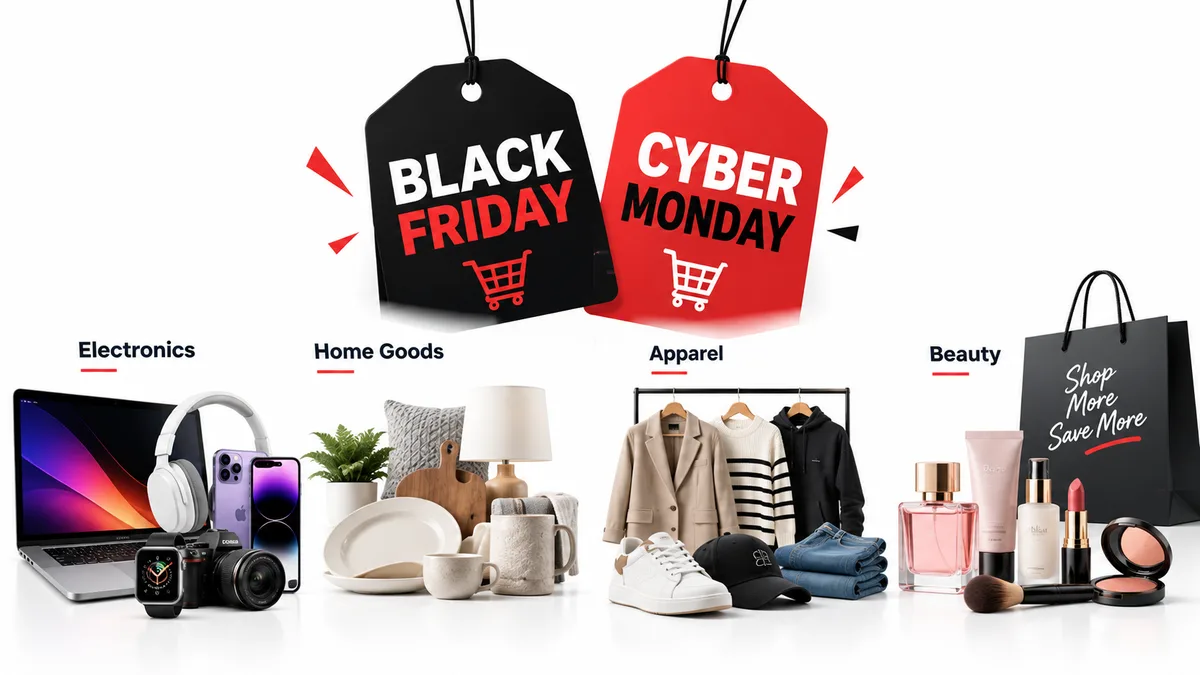
Electronics, home goods, apparel, and beauty categories use the major promotional events. They capture the attention of high-intent shoppers.
End-of-season Fashion Sales
Clothing retailers increase discounts as the season ends. It helps them to balance two competitive goals: clearing the remaining inventory, and maximizing revenue.
Holiday Gift Promotions
Brands create:
- Gift bundles
- Free-gift promotions
- Limited-edition products
- Free shipping offers
- Minimum spend discounts
Back-to-school Shopping
Retailers promote backpacks, laptops, stationery, shoes, clothing, and other school supplies ahead of the academic year. There can be certain bundles or category-specific offers.
Summer and Winter Clearance

Products lose relevance after a season. Therefore, discounts are applied progressively to encourage the sell-through.
Some of the other major seasonal pricing examples are Valentine’s Day promotions, Mother’s Day offers, Father’s Day campaigns, and summer travel deals.
What are the Benefits from Seasonal Pricing?
When you base the strategy on actual demand and business objectives, the benefits can be many.
Higher Average Order Value
Bundles, tiered promotions, and threshold discounts encourage customers to purchase additional products.
Higher Conversion
When customers are already shopping for a particular seasonal need, any relevant promotion can reduce purchase hesitation.
Better Inventory Management
Seasonal products come with a limited selling window. Strategic markdowns can help businesses move their inventory before it becomes difficult to sell.
Customer Acquisition
First purchase promotions can help to acquire new customers. It can even encourage a second purchase.
Effective Marketing
Seasonal discount pricing gives brands clear promotional reasons to directly communicate with their audience.
Better Inventory Turnover
Moving the slow-selling stock frees up the warehouse. It increases the warehouse capacity and reduces the amount of capital tied up in the inventory.
How do you create a seasonal discount pricing strategy?
A successful seasonal discount pricing strategy should start with data and end with measurement.
| Product situation | Recommended approach | Primary goal |
|---|---|---|
| High-demand bestseller | Small discount or bundle | Protect margin |
| Excess inventory | Progressive markdown | Improve sell-through |
| Seasonal product | Moderate timed discount | Capture seasonal demand |
| High-margin product | Percentage or fixed discount | Drive conversions |
| New product | Bundle or introductory offer | Encourage trial |
| Complementary product | Bundle or threshold offer | Increase basket size |
Analyze historical sales data
Look at:
- Sales by month
- Conversion rates
- Average order value
- Best-selling products
- Slow-moving products
- Inventory levels
- Customer acquisition costs
- Previous discount performance
Always remember to look for patterns.
Define campaign objective
What are you trying to do?
- Increase revenue?
- Acquire customers?
- Clear inventory?
- Promote a new product?
- Increase AOV?
- Reactivate previous customers?
- Compete during a major shopping event?
Segment products
Every product does not deserve the same discount. An aging seasonal product requires an aggressive offer, while a bestselling product with limited inventory needs no discount or only a small discount.
Analyze competitor pricing
Shoppers quickly compare prices these days, therefore competitive research matters more than ever. The goal is not to become the cheapest retailer, but to compete through:
- Better bundles
- Free shipping
- Better service
- Loyalty rewards
- Gifts with purchase
- Extended warranties
- Convenient purchasing
Determine discount depth
“What is the right discount to change customer behaviour?” This is the right question you have to ask yourself while you preserve acceptable profitability.
The depth of the discount should always be connected to margin and inventory situation. To exemplify, a product with 60% gross margin has more room for promotion than a product with 15% margin.
Set clear campaign dates
A seasonal promotion should always have a clear beginning and a clear end. This gives the needed structure for the marketing teams. The customers also have a genuine reason to act.
Promote the offer
If the customer does not know that it exists, even a good discount can underperform. Relevant channels to use for promotion:
- Website banners
- Paid search
- SMS
- Social media
- Retargeting
- Loyalty programs
The message should clearly explain the product, value, terms, and deadline.
Measure and optimize
Keep monitoring the performance while the campaign is live. You do not have to wait until it ends.
If one category is performing exceptionally well, you can shift more of the promotional attention towards it. You can also find out if any promotion is killing the margin, and adjust it at the right time.
How can NexDiscount help with seasonal discount management?
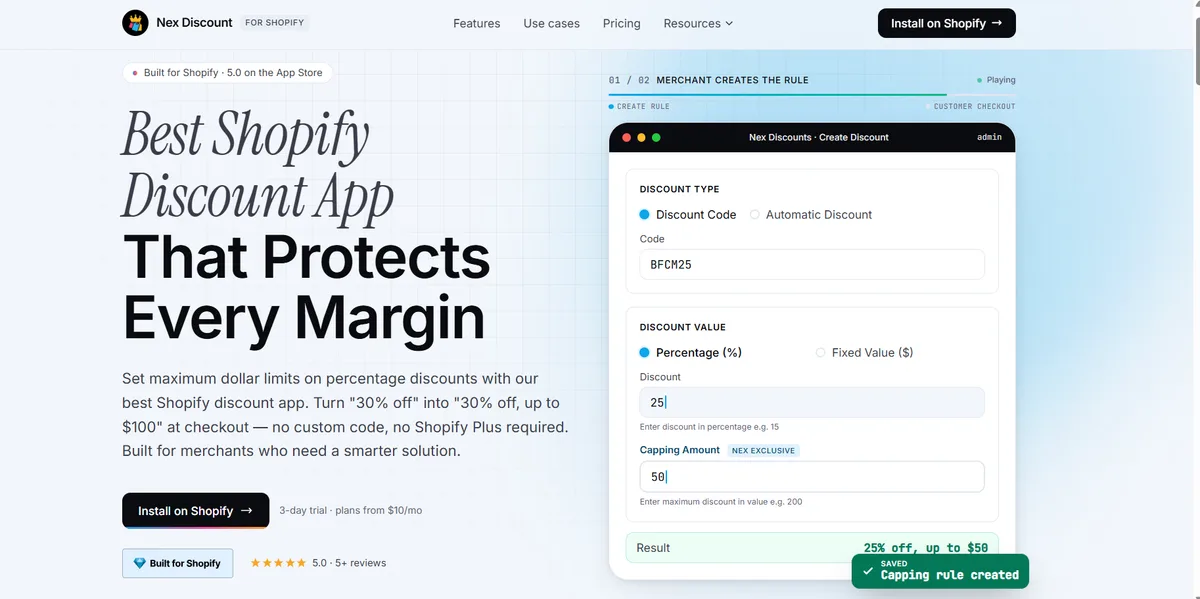
Managing multiple seasonal offers can be really time-consuming, especially when the discounts vary by customer, product, or order value. Understanding how seasonal promotions and discounts impact consumer purchasing decisions can help brands create much more targeted campaigns. NexDiscount can simplify the entire process of managing and applying those discounts across an e-commerce store.
Conclusion
A good seasonal discount pricing strategy is not only about offering the biggest discount. You have to understand the seasonal demand, customer behaviour, inventory needs, and how seasonal promotions and discounts impact consumer purchasing decisions. With all this data, brands can create timely promotions that drive sales up and protect profitability. With the right tools like NexDiscount, seasonal campaigns can be more targeted, effective, and manageable.
FAQs
How does seasonal pricing help increase revenue?
Seasonal pricing helps increase revenue by aligning prices and promotions with demand. The right discount can attract more shoppers, encourage larger orders, increase conversions, and clear inventory.
Can seasonal pricing work automatically?
Yes, seasonal pricing can be automated using e-commerce pricing and discount management tools like NexDiscount. Businesses can schedule promotions, set discount rules, and apply offers flexibly.
What are the best Shopify discount apps for holiday sales in 2026?
The best Shopify discount apps for holiday sales in 2026 can vary based on the business. Platforms like NexDiscount offer businesses many options such as bulk discounts, bundles, scheduled campaigns, and more.
What is a seasonal discount in e-commerce?
A seasonal discount in e-commerce is a temporary price reduction created around a specific season or holiday. Some examples are Black Friday discounts, Christmas promotions, and summer clearance sales.